



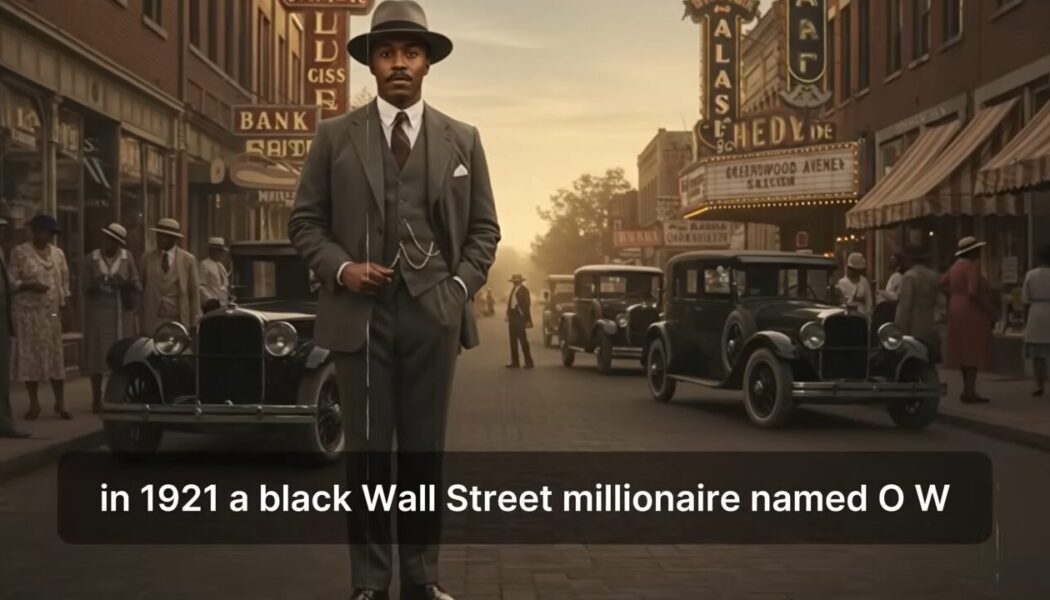
Black history stretches from the shores of Africa to the plantations of the American South, from slave quarters to schoolhouses, from cotton fields to voting booths, from the back of the bus to the steps of the Lincoln Memorial. It is the story of a people who built families, churches, businesses, communities — and hope — despite unimaginable oppression.
This reflection follows the lives of Carter G. Woodson, Frederick Douglass, Booker T. Washington, Madam C. J. Walker, and Dr. Martin Luther King Jr., before bringing the story home to Natchez, Mississippi — a city whose Black history is as deep and essential as any in America.

Carter G. Woodson: Father of Black History
Carter G. Woodson, born in 1875 to formerly enslaved parents, became one of the most influential historians in American history. Despite working in coal mines and entering high school at age 20, he completed four years of study in two. He later earned a Ph.D. from Harvard University.
Woodson recognized a painful truth: Black people were missing from the history books. He understood this omission was intentional — a way to control the narrative and limit Black potential.
In 1926, he created Negro History Week, the foundation of today’s Black History Month. His mission was simple: ensure the world never forgets the brilliance, resilience, and humanity of Black people.
Frederick Douglass: The Voice of Freedom

Born enslaved in 1818, Frederick Douglass secretly learned to read by trading bread for lessons. Literacy became his liberation. After escaping slavery at age 20, he became one of the most powerful abolitionist voices in American history.
His autobiography exposed the horrors of slavery, and his speeches electrified audiences across the world. Douglass believed deeply in the power of struggle, declaring:
“If there is no struggle, there is no progress.”
Booker T. Washington: Building with What We Have
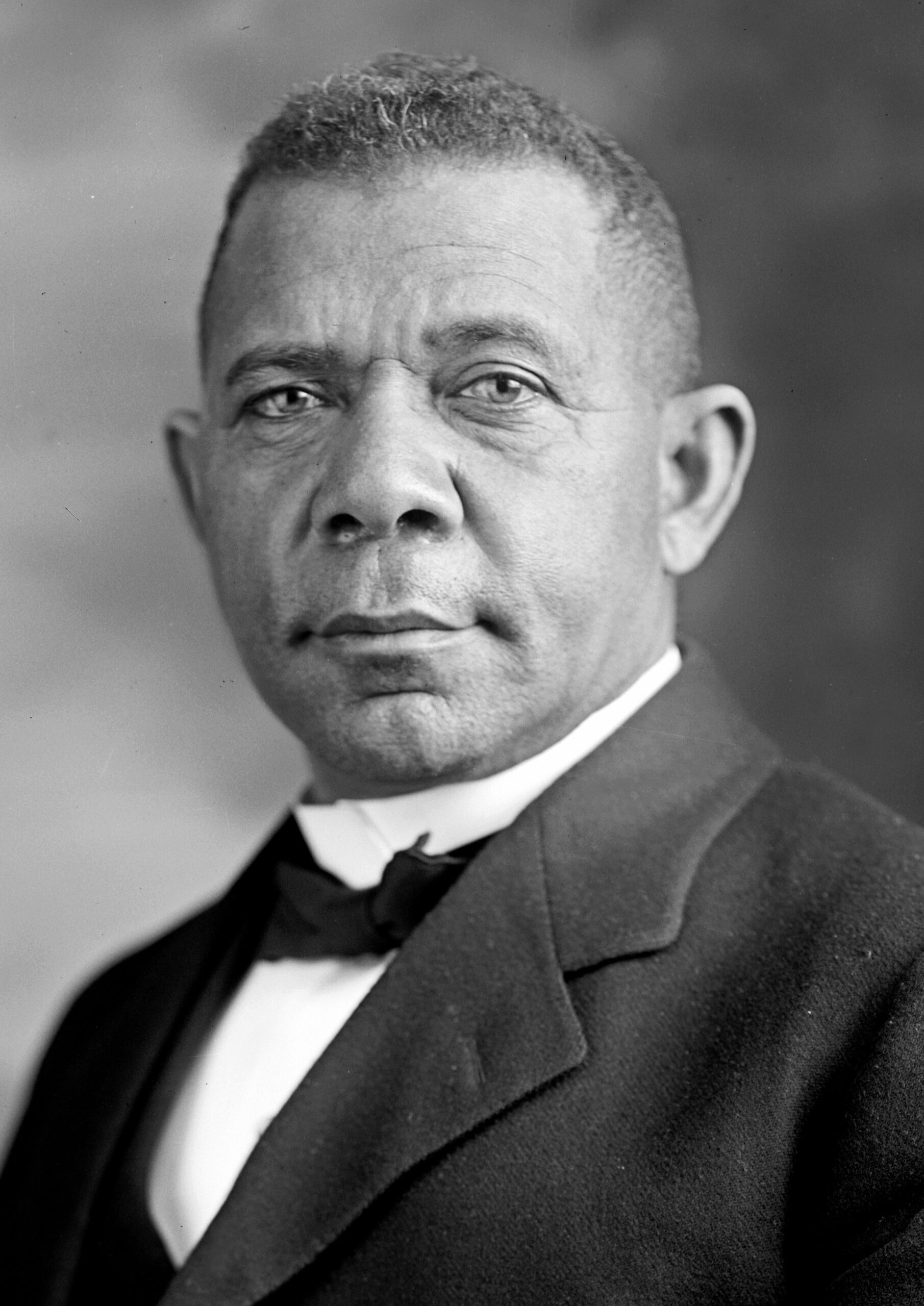
Born enslaved in 1856, Booker T. Washington rose from poverty through education and determination. He founded Tuskegee Institute, emphasizing practical skills — trades, agriculture, craftsmanship — that would help Black Americans build economic independence.
His philosophy encouraged Black Americans to “cast down your bucket where you are,” meaning: build where you stand, use what you have, and rise through discipline and excellence.
Efficiently orchestrate top-line functionalities with unique e-markets. Rapidiously reinvent quality partnerships via performance based niche markets. Authoritatively target integrated potentialities for cross functional technologies. Assertively architect B2B markets.

Madam C. J. Walker: The Power of Black Entrepreneurship
Madam C. J. Walker, born Sarah Breedlove in 1867, rose from poverty to become one of America’s first self‑made female millionaires. After developing a hair care formula that transformed her own hair, she built a national beauty empire.
She employed thousands of Black women as “Walker Agents,” giving them financial independence at a time when opportunities were scarce. Walker used her wealth to support schools, churches, and civil rights causes.
Her life remains a testament to Black innovation, entrepreneurship, and empowerment.
Dr. Martin Luther King Jr.: The Moral Conscience of a Nation

Dr. King believed the fight for civil rights was both political and spiritual. His leadership in the Montgomery Bus Boycott, Birmingham Campaign, and March on Washington reshaped the moral landscape of America.
His “I Have a Dream” speech continues to inspire generations. King’s work helped secure the Civil Rights Act of 1964 and the Voting Rights Act of 1965.
His final mission — the Poor People’s Campaign — reminded the nation that justice must include economic justice
Coming Home: Black History in Natchez, Mississippi
Natchez is not just a place where Black history happened. It is a place where Black history was shaped, lived, and carried forward by generations of men and women whose stories deserve to be told.
1. Forks of the Road Slave Market
One of the largest slave markets in the United States, Forks of the Road was a site of unimaginable suffering. Families were torn apart. Children were sold away. Yet today it stands as a memorial — a place of remembrance and resilience.
2. The United States Colored Troops (USCT)
During the Civil War, thousands of enslaved people fled to Natchez seeking freedom. Many joined the USCT, fighting for the liberty they had been denied. Their courage helped reshape the nation.
3. Hiram Revels and Black Political Leadership
Reconstruction brought new possibilities. Hiram Rhodes Revels, who ministered and organized in the region, became the first Black U.S. Senator. Natchez was home to many Black leaders who fought for education, voting rights, and opportunity.
4. The Rhythm Nightclub Fire (1940)
One of the deadliest fires in American history claimed over 200 Black lives. The tragedy devastated the community, yet the people of Natchez came together to mourn, rebuild, and support one another.
5. The Natchez Civil Rights Movement
Natchez was home to one of the most organized and forceful local movements in the South. Leaders like Charles Evers, Rev. John Banks, the Deacons for Defense, and the Natchez NAACP fought segregation and voter suppression with courage and strategy.
6. Notable Black Figures of Natchez
Natchez has produced authors, activists, pastors, teachers, and entrepreneurs whose impact reaches far beyond the city limits — including world‑renowned writer Richard Wright.
Natchez’s Black history is not a footnote. It is a foundation.
The Black Church: The Heartbeat of Our History
The Black church is the oldest and most enduring institution in Black America. It has been:
- a schoolhouse
- a political center
- a cultural institution
- a refuge
- a family
- a launching pad for leaders
From hush harbors in the woods to the pulpits of today, the church has sustained our people through slavery, Jim Crow, civil rights, and beyond. It taught us that God is on the side of the oppressed — and that faith without works is dead.
Black history cannot be told without the Black church. It is the heartbeat of our story.
Why This History Matters Today
Black history matters because:
- Identity — It tells us who we are.
- Resilience — It shows what we can overcome.
- Responsibility — It calls us to continue the work.
- Faith — It reminds us God has carried us.
- Unity — It teaches that progress is collective.
- Vision — It challenges us to dream.
- Courage — It inspires us to speak truth to power.
Black history is not a museum exhibit. It is a living force shaping our present and guiding our future.
Our Role in the Continuing Story
Black history is still being written — and we are the authors.
We honor our ancestors by:
- teaching our children
- standing for justice
- building families and communities
- supporting Black businesses
- voting and organizing
- preserving the stories of Natchez
- strengthening the Black church
We are the continuation of a story that began long before us and will continue long after us.
A Call to Remembrance and Action
We are the descendants of survivors. The children of dreamers. The heirs of builders. Our ancestors endured chains so we could walk free, humiliation so we could stand tall, silence so we could speak, darkness so we could shine.
We honor them not only with our words — but with our lives.
Conclusion: The Journey Continues
Black history is not behind us. It is within us, around us, and ahead of us.
From Woodson’s candlelit studies… To Douglass’s secret lessons… To Washington’s classrooms… To Walker’s factories… To King’s marches… To the churches and neighborhoods of Natchez…
Black history is a river that flows through time — and today, it flows through us.
We are not just students of history. We are carriers of history. We are makers of history.
And the story continues.
aign — reminded the nation that justice must include economic justice.
A Closing Word From the Heart
The stories you’ve just read — the triumphs, the sacrifices, the faith, the resilience — are not just history. They are a living inheritance. And preserving, teaching, and celebrating this history takes real work, real commitment, and real community support.
If this message moved you… If these stories inspired you… If you believe our children deserve to know the greatness they come from…
Then I invite you to stand with us.
Your contribution helps us:
- Produce youth programs that teach Black history with pride and accuracy
- Create community events that uplift and empower
- Preserve the stories of Natchez’s African American heritage
- Support future educational productions, lectures, and media projects
Every gift — large or small — strengthens the work and ensures these stories continue to reach the next generation.
If you feel led to support this mission, you can make a secure donation here: https://www.paypal.com/ncp/payment/34MWV82WYLTVW
Thank you for believing in this work. Thank you for honoring our ancestors. And thank you for helping us carry the story