


Technology
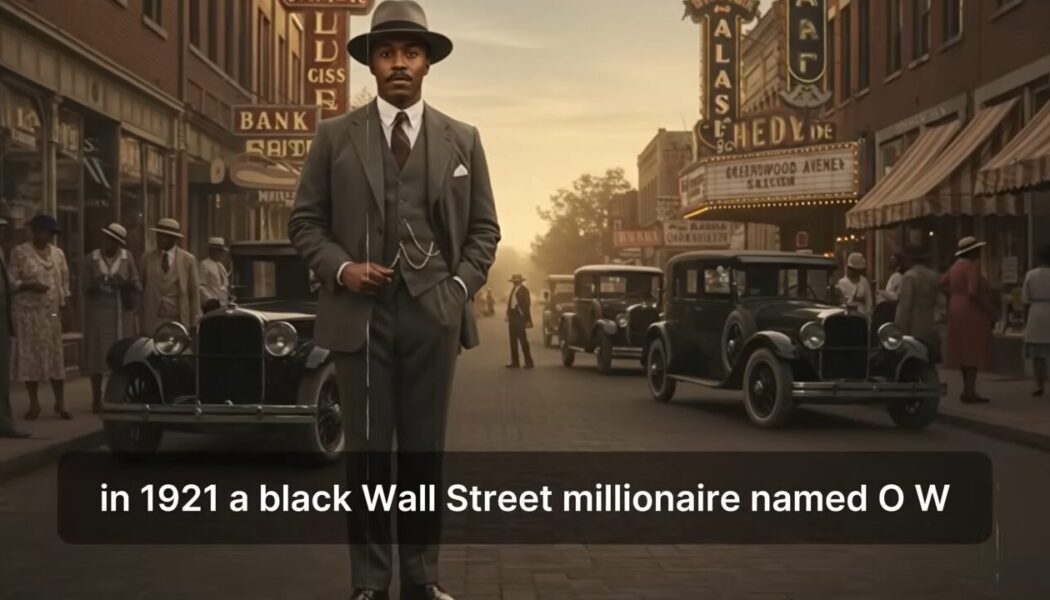

The Journey of Black History
Black history stretches from the shores of Africa to the plantations of the American South, from slave quarters to schoolhouses, from cotton fields to voting booths, from the back of the bus to the steps of the Lincoln Memorial. It is the story of a people who built families, churches, businesses, communities — and hope — despite unimaginable oppression. This reflection follows the lives of Carter G. Woodson, Frederick Douglass, Booker T. Washington, Madam C. J. Walker, and Dr. Martin Luther King Jr., before bringing the story home to Natchez, Mississippi — a city whose Black history is as deep and essential as any in America. Carter G. Woodson: Father of Black History Carter G. Woodson, born in 1875 to formerly enslaved parents, became one of the most influential historians in American hi...


Education Through History: Preserving the Past to Empower the Future
The Natchez Museum of African American Culture has launched its 2026 programming with a powerful and timely focus: the progression of education through history and its lasting impact on our young people today. Education has never existed in isolation. For African American communities, learning often took place under extraordinary challenges—limited resources, social barriers, and periods of profound injustice. Yet, despite these obstacles, dedicated educators guided their students through uncertainty, believing deeply in the transformative power of knowledge. Throughout 2026, the Museum is committed to presenting programs that explore these challenges while honoring the instructors, mentors, and community leaders who helped shape generations of learners. Our goal is to ensure that today’s ...


“Transforming the Forks to Freedom Corridor:Natchez Begins $24.57 Million Federal Grant Project”
Natchez, MS – The City of Natchez, in partnership with the U.S. Department of Transportation and the Mississippi Department of Transportation, has announced the launch of the Transforming the Forks to Freedom Corridor project. This initiative, funded by a $24,570,000 federal BUILD grant, will address infrastructure and business-lifestyle connectivity needs within the Devereux Drive, St. Catherine, and East Franklin corridors, as well as Downtown areas. The Forks to Freedom Corridor project builds upon the City’s official 2018 Downtown Master Plan, which reflects both professional planning and extensive community visioning and engagement. The project will improve transportation and pedestrian safety and accessibility; enhance quality of life and aesthetics for residents and visitors; streng...
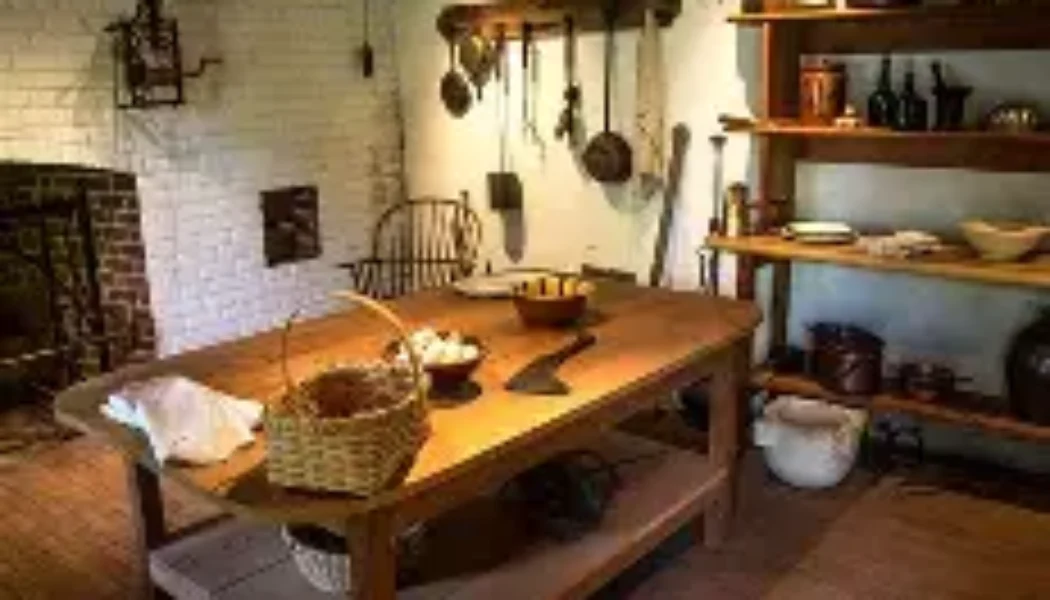

: Claire of Natchez — The Legend, The Evidence, The History
Your donations keep this site going A popular modern retelling claims an enslaved woman named Claire (often “Clara”) poisoned an entire plantation household in Natchez. Extensive searches of major local archives and institutional histories turn up no clear primary-source evidence for this specific event. The legend fits broader documented patterns — enslaved women accused of poisoning and acts of covert resistance — and has been amplified by modern true-crime and folklore channels. Read on for the archival search, the folklore trail, and what we can say with confidence. mdah.ms.gov+2Historic Natchez Foundation+2 Why this matters Natchez is a city with a deep and complicated history: it was a major slave-trading center and a wealthy antebellum town. Stories about resistance, violence...
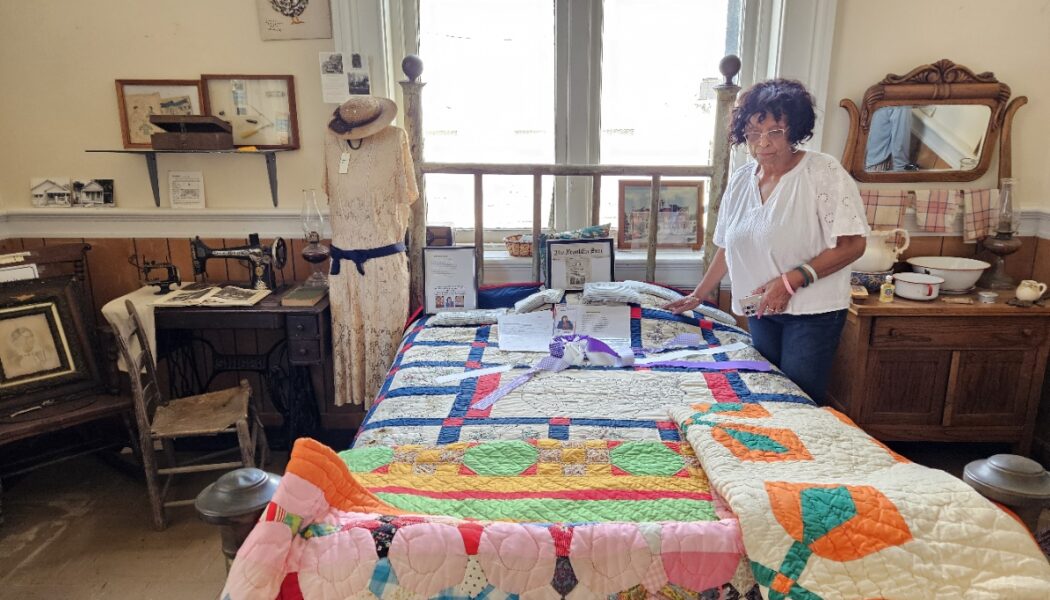

The Art of Quilt-Making Among African Americans
Quilting among African Americans is a vibrant, living tradition. While many people are aware of quilts as decorative or utilitarian objects—bed covers, warm wraps, or heirlooms—the deeper history involves displaced cultures, coded resistance, spiritual meaning, and aesthetic innovation. In exploring the art of quilt-making, we see how African Americans have woven together fragments of fabric, memory, survival into something beautiful and meaningful. Before the forced migration of Africans to the Americas, many societies in West and Central Africa already had rich textile arts. These include: These textile traditions were not merely aesthetic; they had meaning. Symbolism—religious or spiritual, social or familial—was often encoded in motifs, colors, and styles. When people were brought to A...