


Featured News
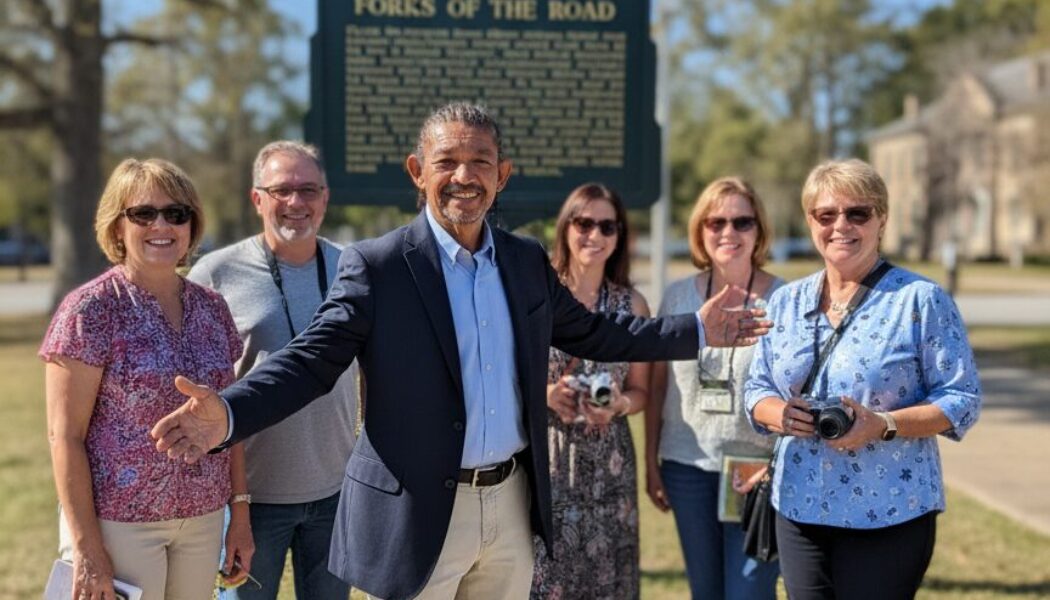

A New Way to Experience Natchez History: Meet the Museum’s AI Interpreter
Tired of generic tourist traps? Want an authentic Natchez experience? Body: Hi, I’m Bobby Dennis, your Natchez Tourism & Hospitality Specialist! I bring local insights and a passion for service to every interaction. Let me curate a bespoke experience for you, whether it’s exploring historical landmarks, savoring Southern flavors, or immersing yourself in our rich cultural narrative. I’m here to ensure every moment is memorable. CTA: Click the link in my bio to message me directly on JustLikeMe and start planning! Transform your Natchez visit into an extraordinary adventure! Connect with me, Bobby Dennis, your personal guide. https://justlikeme.com/marketplace/bobbydennisnapa?ref=B7AD3645 Natchez has always been a city of stories — whispered, remembered, sung...


Why we were” Proud to Take a Stand “
A Reflection for Every Visitor Who Walks This Ground **Do I Understand? Or Was It Just Another Event to Control My People?** There are moments in history that refuse to fade. Moments that do not soften with time, do not lose their edge, do not become polite stories told from a safe distance. Some events remain alive — pulsing, demanding, insisting that each generation wrestle with them anew. For Natchez, Mississippi, the Parchman Ordeal is one of those moments. As we approach sixty years since that dark chapter, I find myself returning again and again to the same questions: Do I truly understand what happened? Do any of us? Or have we allowed the story to shrink into something smaller, something easier, something that fits neatly into a paragraph or a plaque? And deeper still: Was it simpl...

The Journey of Black History
Black history stretches from the shores of Africa to the plantations of the American South, from slave quarters to schoolhouses, from cotton fields to voting booths, from the back of the bus to the steps of the Lincoln Memorial. It is the story of a people who built families, churches, businesses, communities — and hope — despite unimaginable oppression. This reflection follows the lives of Carter G. Woodson, Frederick Douglass, Booker T. Washington, Madam C. J. Walker, and Dr. Martin Luther King Jr., before bringing the story home to Natchez, Mississippi — a city whose Black history is as deep and essential as any in America. Carter G. Woodson: Father of Black History Carter G. Woodson, born in 1875 to formerly enslaved parents, became one of the most influential historians in American hi...


Education Through History: Preserving the Past to Empower the Future
The Natchez Museum of African American Culture has launched its 2026 programming with a powerful and timely focus: the progression of education through history and its lasting impact on our young people today. Education has never existed in isolation. For African American communities, learning often took place under extraordinary challenges—limited resources, social barriers, and periods of profound injustice. Yet, despite these obstacles, dedicated educators guided their students through uncertainty, believing deeply in the transformative power of knowledge. Throughout 2026, the Museum is committed to presenting programs that explore these challenges while honoring the instructors, mentors, and community leaders who helped shape generations of learners. Our goal is to ensure that today’s ...
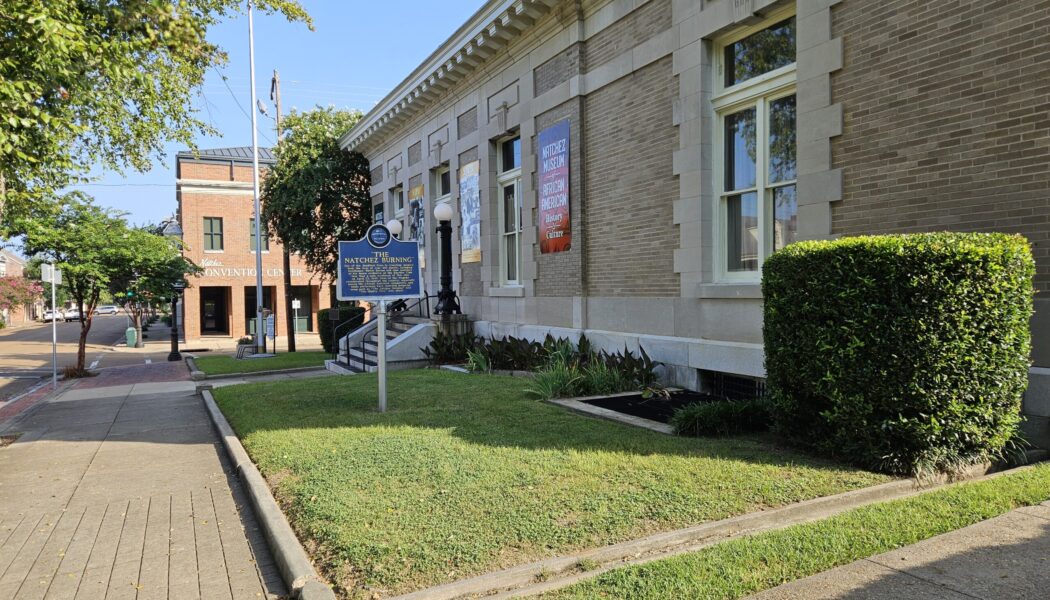

Presenting Black History at the Natchez Museum of African American Culture: A Living Legacy in the Heart of Mississippi
Black history is not just a story of the past—it is a living, breathing narrative that continues to shape communities, inspire generations, and deepen our understanding of American identity. In Natchez, Mississippi, one of the most historically rich cities in the South, the Natchez Museum of African American Culture stands as a powerful guardian of that story. For visitors, educators, families, and cultural enthusiasts, the museum offers an immersive journey into the triumphs, struggles, and enduring contributions of African Americans in Natchez and beyond. A Cultural Treasure Rooted in Natchez History Located in a city known for its deep historical roots, the Natchez Museum of African American Culture preserves and presents the stories that traditional narratives often overlook. The museu...


Stay in comfort & history:
Hotel VUE and The Bridges Hotel are our top picks for a Natchez weekend or family vacation: If your next family getaway or history-filled weekend takes you to Natchez, Mississippi, you’re in for a treat. With its bluff-side views of the Mississippi River, stately antebellum homes, soulful music, and layered histories, Natchez rewards slow exploration. And when it comes to where to rest your head after a day of tours, the Natchez Museum of African American Culture recommends two properties again and again: Hotel VUE and The Bridges Hotel. Both combine comfortable accommodations, helpful service, and smart locations that make exploring Natchez easy for multi-generational families and organized out-of-town tour groups alike. Below you’ll find a friendly, practical, and enthusiastic introducti...


“Transforming the Forks to Freedom Corridor:Natchez Begins $24.57 Million Federal Grant Project”
Natchez, MS – The City of Natchez, in partnership with the U.S. Department of Transportation and the Mississippi Department of Transportation, has announced the launch of the Transforming the Forks to Freedom Corridor project. This initiative, funded by a $24,570,000 federal BUILD grant, will address infrastructure and business-lifestyle connectivity needs within the Devereux Drive, St. Catherine, and East Franklin corridors, as well as Downtown areas. The Forks to Freedom Corridor project builds upon the City’s official 2018 Downtown Master Plan, which reflects both professional planning and extensive community visioning and engagement. The project will improve transportation and pedestrian safety and accessibility; enhance quality of life and aesthetics for residents and visitors; streng...


How Two Visionaries Transformed Rural Education for America’s Most Underserved Children
In the landscape of American education, few stories are as inspiring—or as overlooked—as the story of the Rosenwald Schools. At a time when access to quality education in the rural South was deeply unequal, businessman and philanthropist Julius Rosenwald partnered with visionary educator Booker T. Washington to create a program that would forever change the future of thousands of African American children. Their efforts built nearly 5,000 schools across the South, many of them in isolated, rural communities where educational opportunity had been intentionally denied for generations. Today, as conversations about equity, access, and community-driven development continue across the nation, the Rosenwald legacy stands as a powerful example of what can be achieved when philanthropy, community ...
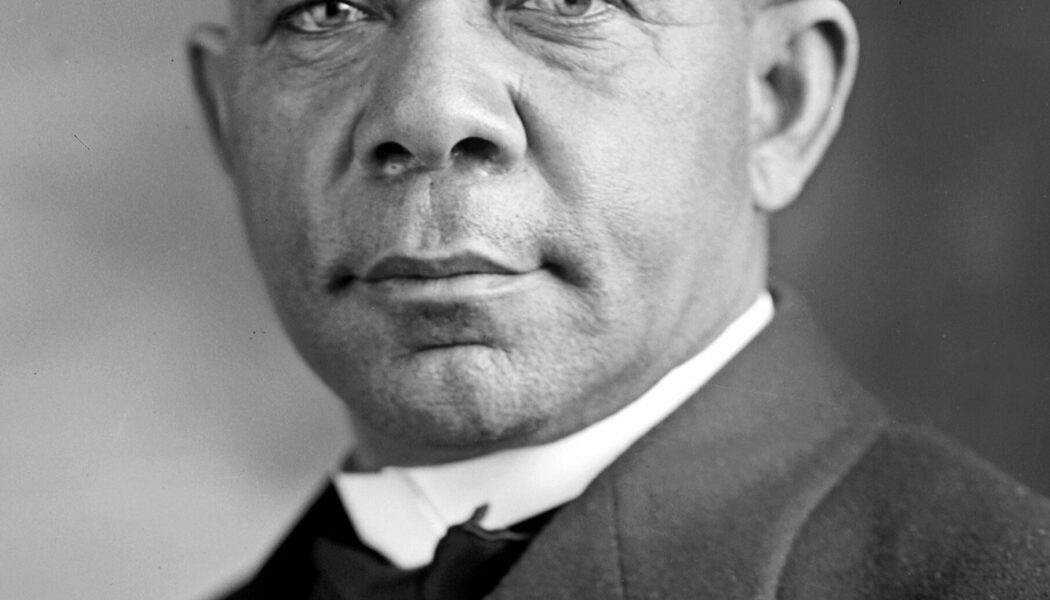

Booker T. Washington: Architect of Black Education and Influential Political Figure
When exploring the trajectory of Black education and political agency in post-Reconstruction America, few figures loom as large as Booker T. Washington. Born into slavery, rising to become one of the most influential African-American educators of his time, Washington’s legacy encompasses far more than vocational training. He shaped not only institutions but also the political discourse of his era—crafting strategies of uplift, self-help, accommodation, and alliance-building in a fraught racial landscape. His significance is such that in recognition of his contributions, the United States issued a commemorative half-dollar coin featuring his image (the Booker T. Washington Memorial half dollar, minted from 1946 to 1951) — a tangible symbol of his enduring place in American memory. Numista+3...

: Claire of Natchez — The Legend, The Evidence, The History
Your donations keep this site going A popular modern retelling claims an enslaved woman named Claire (often “Clara”) poisoned an entire plantation household in Natchez. Extensive searches of major local archives and institutional histories turn up no clear primary-source evidence for this specific event. The legend fits broader documented patterns — enslaved women accused of poisoning and acts of covert resistance — and has been amplified by modern true-crime and folklore channels. Read on for the archival search, the folklore trail, and what we can say with confidence. mdah.ms.gov+2Historic Natchez Foundation+2 Why this matters Natchez is a city with a deep and complicated history: it was a major slave-trading center and a wealthy antebellum town. Stories about resistance, violence...
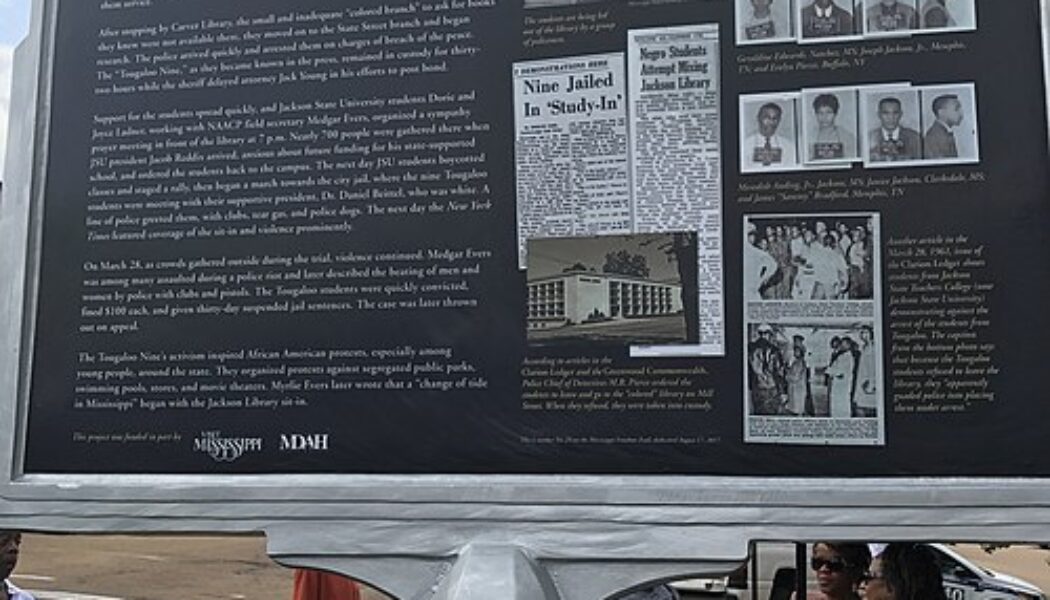

The Lesser-Told Story of the Tougaloo Nine:
“The Tougaloo Nine and the Fight for Equal Access to Public Libraries, 1961.” When most people think of civil rights sit-ins, they envision lunch counters and picket lines. Fewer remember the quiet, deliberate courage of nine students from Tougaloo College who walked into the whites-only Jackson Public Library on March 27, 1961, and read. That “read-in” — which led to arrests, courtroom battles, and national reverberations — sits at the intersection of two essentials: the fight for civil rights and the fight for equal education. This post tells the story of the Tougaloo Nine, explains why libraries mattered, and argues that access to books and information was as central to the movement as voting rights and public accommodations. BlackPast.orgZinn Education Project Why a Library? Why Tougal...
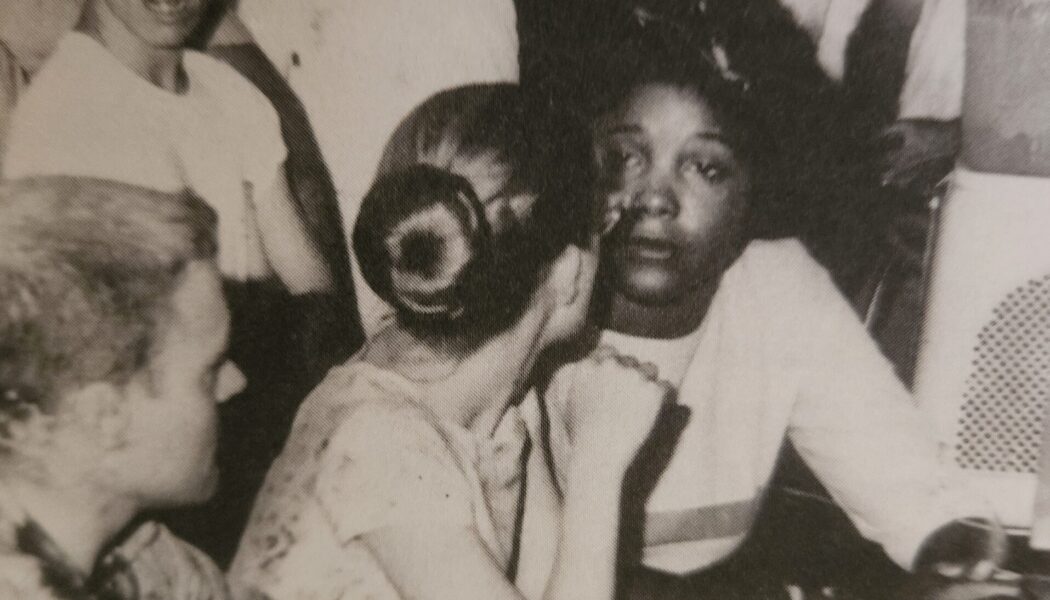

Unveiling of Anne Moody’s Freedom Trail marker set for September 15
By: Roscoe Barnes, III, Visit Natchez The late Anne Moody, author of “Coming of Age in Mississippi,” will soon be honored with a Mississippi Freedom Trail marker in her hometown of Centreville. The marker will be unveiled in a ceremony at 10 a.m. Monday, September 15 at Mount Pleasant Missionary Baptist Church, 8755 Highway 24 East. The event is free to the public. Frances Jefferson, Moody’s sister, said she and her family are elated about the marker. “I’m very excited for the unveiling of the Freedom Trail marker on September 15, Anne’s 85th birthday,” she said. “I’m grateful to everyone involved in securing this honor for my sister.” The Freedom Trail markers are administered by the Mississippi Humanities Council, in partnership with Visit Mississippi. The markers honor the courage and d...
- 1
- 2