




Large Category


Stay in comfort & history:
Hotel VUE and The Bridges Hotel are our top picks for a Natchez weekend or family vacation: If your next family getaway or history-filled weekend takes you to Natchez, Mississippi, you’re in for a treat. With its bluff-side views of the Mississippi River, stately antebellum homes, soulful music, and layered histories, Natchez rewards slow exploration. And when it comes to where to rest your head after a day of tours, the Natchez Museum of African American Culture recommends two properties again and again: Hotel VUE and The Bridges Hotel. Both combine comfortable accommodations, helpful service, and smart locations that make exploring Natchez easy for multi-generational families and organized out-of-town tour groups alike. Below you’ll find a friendly, practical, and enthusiastic introducti...


“Transforming the Forks to Freedom Corridor:Natchez Begins $24.57 Million Federal Grant Project”
Natchez, MS – The City of Natchez, in partnership with the U.S. Department of Transportation and the Mississippi Department of Transportation, has announced the launch of the Transforming the Forks to Freedom Corridor project. This initiative, funded by a $24,570,000 federal BUILD grant, will address infrastructure and business-lifestyle connectivity needs within the Devereux Drive, St. Catherine, and East Franklin corridors, as well as Downtown areas. The Forks to Freedom Corridor project builds upon the City’s official 2018 Downtown Master Plan, which reflects both professional planning and extensive community visioning and engagement. The project will improve transportation and pedestrian safety and accessibility; enhance quality of life and aesthetics for residents and visitors; streng...


How Two Visionaries Transformed Rural Education for America’s Most Underserved Children
In the landscape of American education, few stories are as inspiring—or as overlooked—as the story of the Rosenwald Schools. At a time when access to quality education in the rural South was deeply unequal, businessman and philanthropist Julius Rosenwald partnered with visionary educator Booker T. Washington to create a program that would forever change the future of thousands of African American children. Their efforts built nearly 5,000 schools across the South, many of them in isolated, rural communities where educational opportunity had been intentionally denied for generations. Today, as conversations about equity, access, and community-driven development continue across the nation, the Rosenwald legacy stands as a powerful example of what can be achieved when philanthropy, community ...
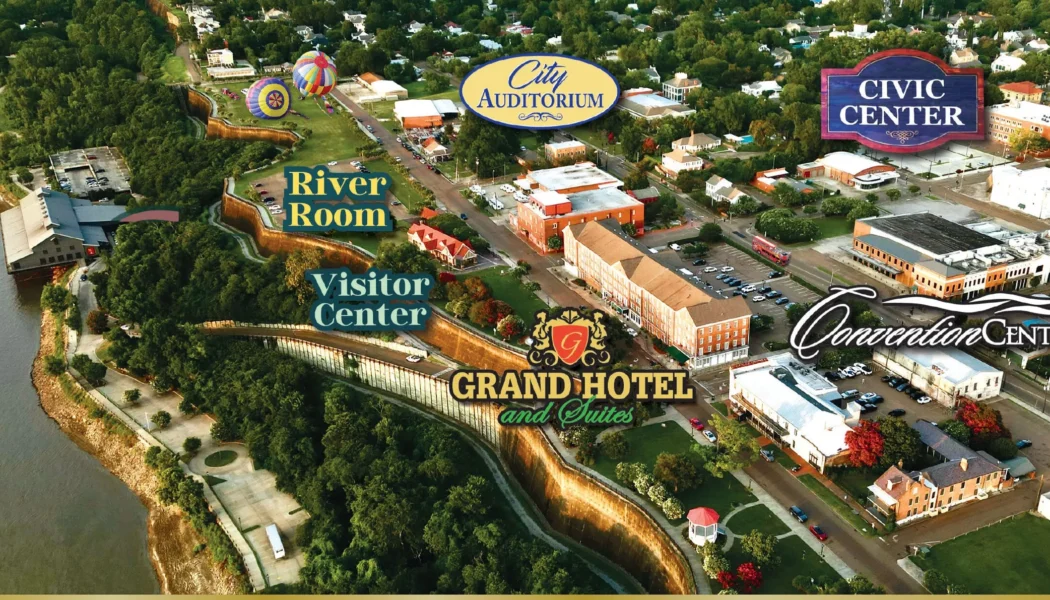

Host Your Business Convention in Natchez
Interactively procrastinate optimal manufactured products via backward-compatible networks. Dramatically innovate B2C human capital rather than effective services. Holisticly grow premium e-markets vis-a-vis virtual scenarios. Assertively engineer standardized e-markets before collaborative portals. Assertively revolutionize client-centered best practices with pandemic models. Efficiently network resource sucking innovation with 24/7 intellectual capital. Objectively unleash innovative experiences whereas cooperative ROI. Compellingly evolve future-proof web services vis-a-vis.
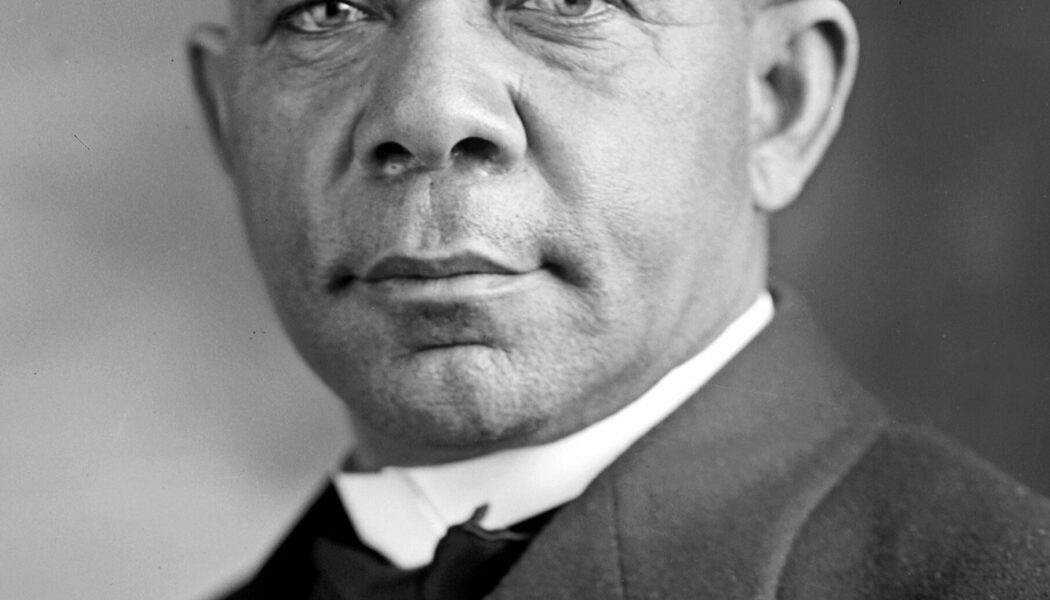

Booker T. Washington: Architect of Black Education and Influential Political Figure
When exploring the trajectory of Black education and political agency in post-Reconstruction America, few figures loom as large as Booker T. Washington. Born into slavery, rising to become one of the most influential African-American educators of his time, Washington’s legacy encompasses far more than vocational training. He shaped not only institutions but also the political discourse of his era—crafting strategies of uplift, self-help, accommodation, and alliance-building in a fraught racial landscape. His significance is such that in recognition of his contributions, the United States issued a commemorative half-dollar coin featuring his image (the Booker T. Washington Memorial half dollar, minted from 1946 to 1951) — a tangible symbol of his enduring place in American memory. Numista+3...

: Claire of Natchez — The Legend, The Evidence, The History
Your donations keep this site going A popular modern retelling claims an enslaved woman named Claire (often “Clara”) poisoned an entire plantation household in Natchez. Extensive searches of major local archives and institutional histories turn up no clear primary-source evidence for this specific event. The legend fits broader documented patterns — enslaved women accused of poisoning and acts of covert resistance — and has been amplified by modern true-crime and folklore channels. Read on for the archival search, the folklore trail, and what we can say with confidence. mdah.ms.gov+2Historic Natchez Foundation+2 Why this matters Natchez is a city with a deep and complicated history: it was a major slave-trading center and a wealthy antebellum town. Stories about resistance, violence...