




Featured Slider


Stay in comfort & history:
Hotel VUE and The Bridges Hotel are our top picks for a Natchez weekend or family vacation: If your next family getaway or history-filled weekend takes you to Natchez, Mississippi, you’re in for a treat. With its bluff-side views of the Mississippi River, stately antebellum homes, soulful music, and layered histories, Natchez rewards slow exploration. And when it comes to where to rest your head after a day of tours, the Natchez Museum of African American Culture recommends two properties again and again: Hotel VUE and The Bridges Hotel. Both combine comfortable accommodations, helpful service, and smart locations that make exploring Natchez easy for multi-generational families and organized out-of-town tour groups alike. Below you’ll find a friendly, practical, and enthusiastic introducti...


How Two Visionaries Transformed Rural Education for America’s Most Underserved Children
In the landscape of American education, few stories are as inspiring—or as overlooked—as the story of the Rosenwald Schools. At a time when access to quality education in the rural South was deeply unequal, businessman and philanthropist Julius Rosenwald partnered with visionary educator Booker T. Washington to create a program that would forever change the future of thousands of African American children. Their efforts built nearly 5,000 schools across the South, many of them in isolated, rural communities where educational opportunity had been intentionally denied for generations. Today, as conversations about equity, access, and community-driven development continue across the nation, the Rosenwald legacy stands as a powerful example of what can be achieved when philanthropy, community ...
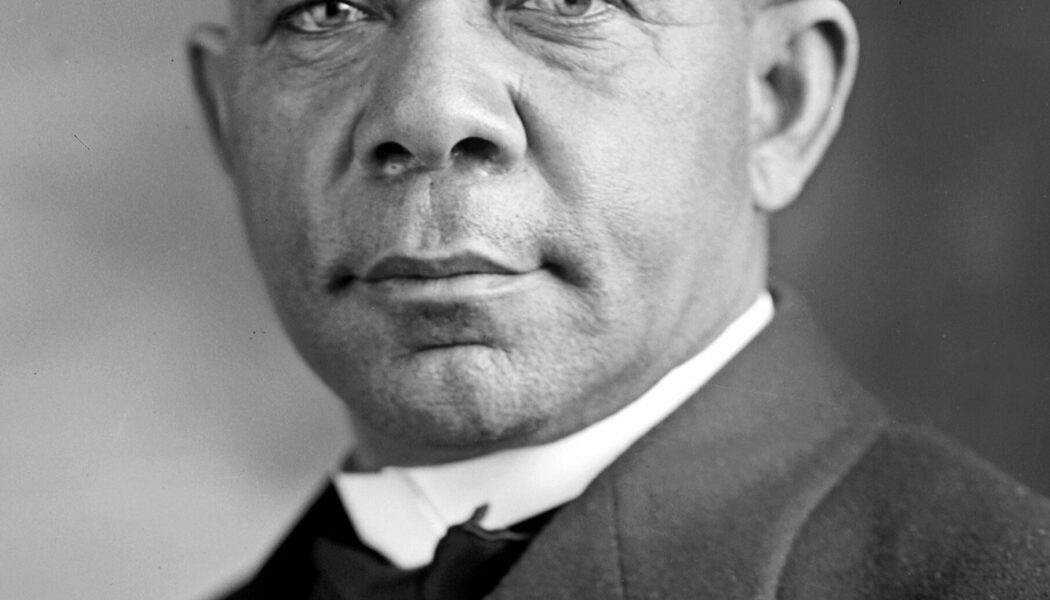

Booker T. Washington: Architect of Black Education and Influential Political Figure
When exploring the trajectory of Black education and political agency in post-Reconstruction America, few figures loom as large as Booker T. Washington. Born into slavery, rising to become one of the most influential African-American educators of his time, Washington’s legacy encompasses far more than vocational training. He shaped not only institutions but also the political discourse of his era—crafting strategies of uplift, self-help, accommodation, and alliance-building in a fraught racial landscape. His significance is such that in recognition of his contributions, the United States issued a commemorative half-dollar coin featuring his image (the Booker T. Washington Memorial half dollar, minted from 1946 to 1951) — a tangible symbol of his enduring place in American memory. Numista+3...

: Claire of Natchez — The Legend, The Evidence, The History
Your donations keep this site going A popular modern retelling claims an enslaved woman named Claire (often “Clara”) poisoned an entire plantation household in Natchez. Extensive searches of major local archives and institutional histories turn up no clear primary-source evidence for this specific event. The legend fits broader documented patterns — enslaved women accused of poisoning and acts of covert resistance — and has been amplified by modern true-crime and folklore channels. Read on for the archival search, the folklore trail, and what we can say with confidence. mdah.ms.gov+2Historic Natchez Foundation+2 Why this matters Natchez is a city with a deep and complicated history: it was a major slave-trading center and a wealthy antebellum town. Stories about resistance, violence...


40 Acres The Movie
Why I Was Drawn to 40 Acres I still remember the instant the trailer for 40 Acres hit—this post-apocalyptic thriller, drenched in cultural resonance and anchored by Danielle Deadwyler, felt like one of those rare films that invited both adrenaline and deep reflection. As someone passionate about genre films that transcend their tropes, I knew this one demanded my attention. To my delight, 40 Acres—directed by R.T. Thorne and released in U.S. theaters on July 2, 2025—does exactly that. A grounded, emotionally rich survival drama that also serves as an urgent reminder of generational trauma, historical promises, and the meaning of legacy. WikipediaPeople.comSan Francisco ChronicleThe GuardianHouston Chronicle Setting the Scene: More Than Just a Thrill Ride The film thrusts us into a world ra...


Conversations With History: The Mazique Family and Oakland Plantation
The Tides of Memory “August,” Sarah whispered the name with a weight. Not the summer breeze—but a burden of memories, of chains quietly broken at last. The auctioneer’s hammer had fallen. They owned China Grove Plantation. That was in 1870, just a few years after the war’s end—a plantation held not by the slave master, but by former slaves. WikipediaNatchez African American Museum August’s hands trembled. “We come from chains, Sarah. And yet…we own land. We own that place.” He meant more than bricks and trees. “We own our labor, our sweat, our names.” Sarah nodded, her voice steady. “We built the gin ourselves. Grew the cotton. The world tried to keep us in the sharecroppers’ shackles.” But they would not be chained again. Natchez African American MuseumMSGWEverything2 . From China Grove t...