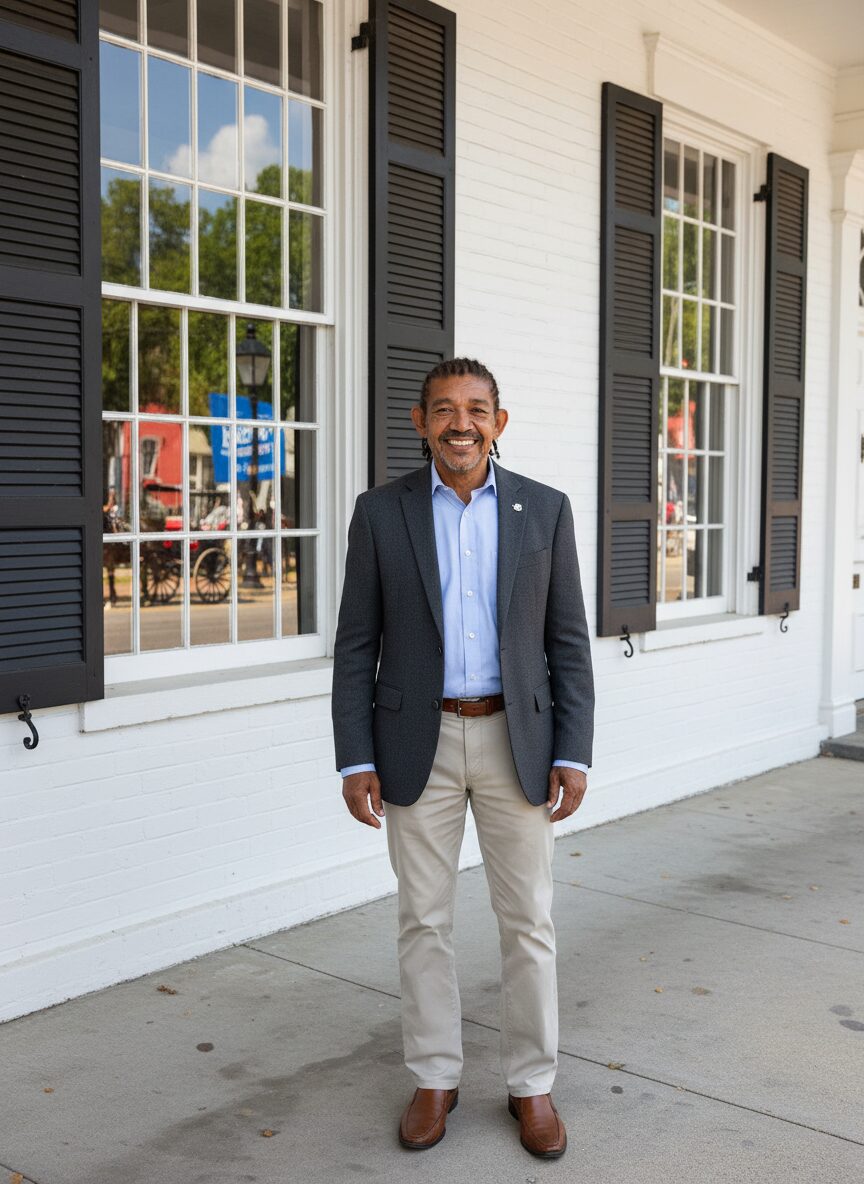



A Reflection for Every Visitor Who Walks This Ground
**Do I Understand?
Or Was It Just Another Event to Control My People?**
There are moments in history that refuse to fade. Moments that do not soften with time, do not lose their edge, do not become polite stories told from a safe distance. Some events remain alive — pulsing, demanding, insisting that each generation wrestle with them anew.
For Natchez, Mississippi, the Parchman Ordeal is one of those moments.
As we approach sixty years since that dark chapter, I find myself returning again and again to the same questions: Do I truly understand what happened? Do any of us? Or have we allowed the story to shrink into something smaller, something easier, something that fits neatly into a paragraph or a plaque?
And deeper still: Was it simply another event designed to control my people? Another attempt to break the spirit of a community that dared to stand upright?
These questions follow me. They rise each time I pass the monument that now stands in honor of those who endured the unendurable. They rise when I see schoolchildren walking past it, unaware that the ground beneath their feet once trembled with fear, courage, and defiance. They rise when I hear visitors ask, “What happened here?” — not knowing that the answer is not just history, but inheritance.
A Monument That Speaks
The Proud to Take A Stand monument is more than stone, steel, and engraved names. It is a voice. A witness. A reminder that the struggle for equality in Natchez was not fought by distant heroes in far‑off cities, but by our own people — our neighbors, our classmates, our parents, our grandparents, our church members, our friends.
Every time I walk past it, I feel something shift inside me. It is as if the monument calls out, not in anger, but in expectation:
“Do you see us? Do you remember us? Do you understand what we carried so you could walk freely?”
And each time, I am forced to look inward.
Because the truth is this: Their sacrifice is the reason I can stand here today. Their courage is the reason my children and grandchildren inherit a different Natchez than the one that tried to silence them.
A City Divided by Color, United by Courage
To understand the monument, you must first understand the world that produced it.
In 1965, Natchez was a city where the color of your skin dictated the boundaries of your life. There were places you could not go, doors you could not enter, jobs you could not hold, and rights you could not claim. The courthouse — the very symbol of justice — was off‑limits to Black citizens except as defendants or laborers.
Yet it was in front of that very courthouse that the young people of Natchez gathered. They stood on the steps of a building that had never recognized their humanity and demanded to be seen.
They were not armed. They were not violent. They were not threatening.
They were simply asking for equal rights — the most basic promise of American citizenship.
But in a world built on racial control, even asking was treated as rebellion.
The Arrests: A Community Targeted
When the police swept in, they did not distinguish between leaders and followers, adults and children, seasoned activists and first‑time marchers. They arrested them all — more than 150 Black citizens, many of them teenagers, some as young as twelve.
Their crime? Standing. Standing in the wrong place. Standing with the wrong people. Standing for the right to be treated as human beings.
They were herded into the county jail, packed into cells, and held without explanation. But the true cruelty had not yet begun.
The Ordeal Begins
Without warning, without charges, without due process, the detainees were loaded onto buses and transported more than 200 miles away to the Mississippi State Penitentiary at Parchman — a place infamous for brutality, forced labor, and racial terror.
Imagine being a child — fourteen, fifteen, sixteen — taken from your home in the middle of the night, driven across the state, and delivered into a prison designed to break grown men.
Imagine the fear. Imagine the confusion. Imagine the silence of that long ride, each mile carrying them deeper into the unknown.
At Parchman, they were stripped, humiliated, threatened, and forced into conditions meant to crush their spirits. They were denied basic necessities. They were mocked for daring to demand equality. They were treated not as citizens, not as children, but as property that needed to be disciplined.
Yet even there — in the belly of Mississippi’s most feared institution — they refused to bow.
The Courage That Could Not Be Broken
What the authorities did not understand was this:
You cannot break a people who have already decided to stand.
The young people of Natchez sang freedom songs in their cells. They prayed together. They encouraged one another. They held onto their dignity even when everything around them was designed to strip it away.
Their courage was not loud. It was not dramatic. It was steady, quiet, unyielding.
And that kind of courage is the most dangerous kind of all — because it cannot be controlled.
The Return Home: A Community Transformed
When the detainees were finally released and returned to Natchez, they did not come back defeated. They came back changed.
Some carried trauma that would follow them for decades. Some carried anger. Some carried determination.
But all of them carried the truth:
That the system meant to control them had failed.
Their ordeal ignited a fire in the community. Parents who had once been afraid now stood taller. Churches that had been cautious now spoke louder. Young people who had been silent now found their voices.
The Parchman Ordeal did not break Natchez. It awakened it.
What the Monument Means to Me
Every time I walk around the monument and read the names — name after name after name — I feel the weight of their sacrifice settle onto my shoulders.
These were not strangers. These were people I knew. People whose faces I can still see. People who walked the same streets I walk today.
To see their names etched in stone is to confront the truth that my life — my opportunities, my freedoms, my ability to stand tall — is built on their suffering.
It forces me to ask myself:
Am I honoring their legacy? Am I living in a way that reflects the price they paid? Do I understand the gift they gave me?
Because it was a gift — a gift purchased with fear, courage, and resilience.
A gift passed down to me, to my children, to my grandchildren.
A gift that demands responsibility.
For the Visitors Who Stand Here Today
If you are reading this as you stand before the monument, I want you to pause. Not just to look, but to see. Not just to read, but to feel.
This monument is not a decoration. It is not a tourist stop. It is not a piece of history frozen in time.
It is a living reminder of what happens when ordinary people decide they will no longer be controlled.
As you walk around it, let the names speak to you. Let the faces in the photographs look back at you. Let the weight of their courage settle into your heart.
Ask yourself:
What would I have done? What am I doing now? What will I carry forward?
Because the story of the Parchman Ordeal is not finished. It continues in every act of justice, every stand against inequality, every refusal to accept silence.
A Legacy That Lives
Sixty years later, the world has changed — but the echoes of that night still linger. The monument stands as both a warning and a promise:
A warning that injustice thrives when good people remain silent. A promise that courage, even from the young, can reshape a city.
The Parchman Ordeal was meant to control a people. Instead, it strengthened them.
It was meant to intimidate a community. Instead, it united them.
It was meant to silence a generation. Instead, it gave them a voice that still speaks today.
My Final Reflection
When I stand before the monument, I feel humbled. I feel grateful. I feel responsible.
Because I know this truth:
I am who I am because they stood. Natchez is what it is because they stood. And this monument exists because they refused to bow.
So yes — I understand. Not fully, not completely, not perfectly. But enough to know that their sacrifice demands more than remembrance.
It demands action. It demands courage. It demands that we, too, stand.
And so, to every visitor who comes to this sacred place, I say:
Do not walk away unchanged. Do not walk away untouched. Do not walk away unaware.
Stand here. Feel this ground. Read these names. Carry this story.
Because they were proud to take a stand. And now — it is our turn.
Explore Impactful Real-World Scenarios
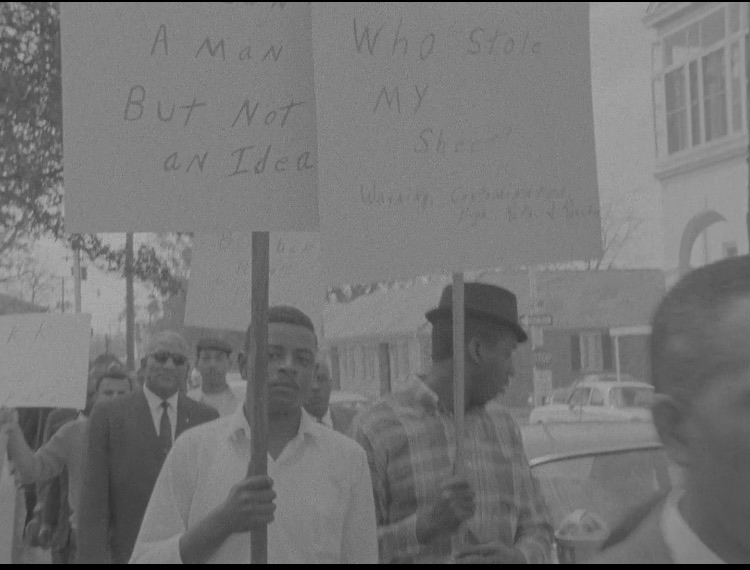
This section presents images from the documentary Black Natchez, which was the event that produced the Monument.
We Marched With Purpose
the struggle for equality is an ongoing challenge but it is always implimented by the people .
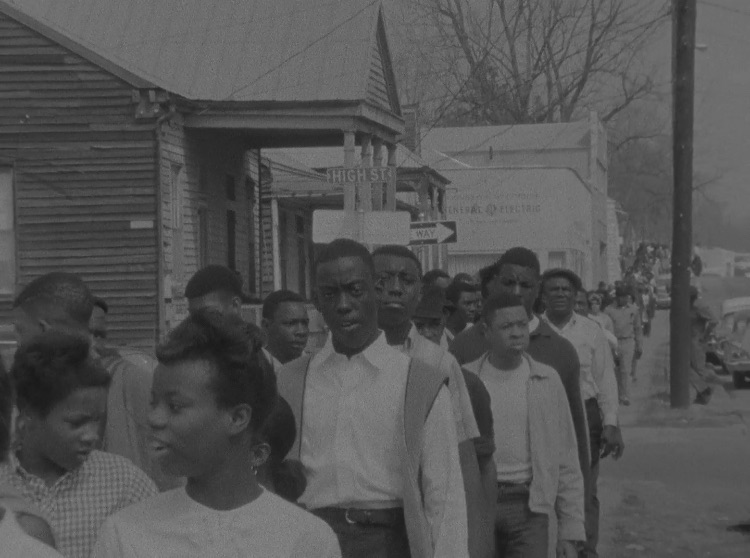
When Young People Stand
The voices of the young should be heard as what they do and stand for is tommorows History.
This is Just One of Many Legacies of Natchez
As I attempt to give our visitors a look of some of the untold stories of the African American and their struggles and growth in the building of the city of Natchez I would hope that you will support our effort to keep this moving. African American History cannot be erased as it is vital in the continued growth of the City and Nation.